
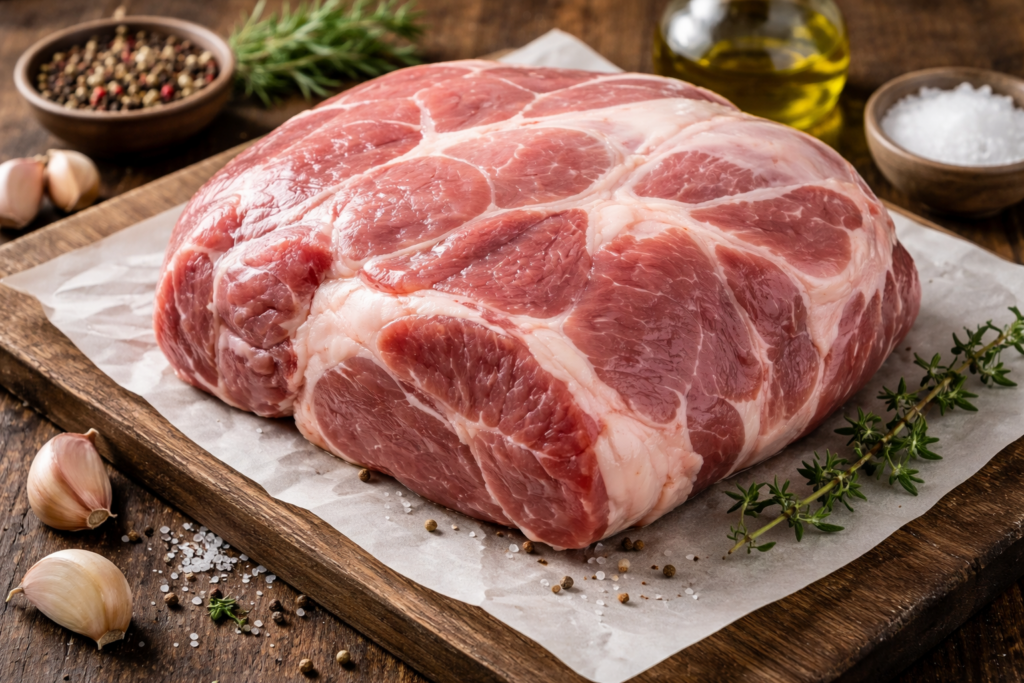
If you’ve ever smoked a pork shoulder and watched the temperature stop rising for hours, you’ve experienced the pork shoulder stall. This is one of the most frustrating parts of making pulled pork, especially for beginners.
The good news is the stall is completely normal. In fact, it happens during almost every pork shoulder cook. Once you understand why it happens and how to handle it, smoking pork shoulder becomes much easier.
In this guide, we’ll explain what the pork shoulder stall is, when it happens, how long it lasts, and the best ways to push through it.
Quick Answer: What Is the Pork Shoulder Stall?
The pork shoulder stall is when the internal temperature of the meat stops rising, usually between:
✅ 150°F to 170°F internal temperature
During this stage, the pork shoulder can stay at the same temperature for 2 to 5 hours (sometimes longer).
Why Does Pork Shoulder Stall?
The stall happens because of evaporative cooling.
As the pork shoulder heats up, moisture on the surface begins to evaporate. That evaporation cools the meat, similar to how sweat cools your skin.
So even though your smoker is still at 225°F or 250°F, the meat temperature stops rising because the cooling effect is balancing out the heat.
Wrapping is the easiest way to beat the stall. Here’s a full guide on should you wrap pork shoulder and what to use.
When Does Pork Shoulder Stall?
Most pork shoulders stall when they reach:
🔥 150°F to 170°F internal temperature
The stall usually happens after:
- 4 to 8 hours of smoking (depending on size and smoker temperature)
If you’re smoking at 225°F, the stall usually lasts longer than it would at 250°F.
👉 For full cook times, see our guide on how long to smoke pork shoulder at 225
How Long Does the Pork Shoulder Stall Last?
The pork shoulder stall can last:
⏱ 2 to 5 hours
But in some cases, especially at 225°F, it can last:
⏱ 6+ hours
The stall depends on:
- pork shoulder size
- smoker temperature
- airflow and humidity
- how often you open the lid
- fat content of the meat
This is why two pork shoulders of the same weight can cook differently.
How to Push Through the Pork Shoulder Stall Faster
There are several ways to shorten the stall. Some methods keep bark strong, while others prioritize speed.
1️⃣ Wrap the Pork Shoulder (Fastest Method)
Wrapping is the most popular way to beat the stall.
Once the pork shoulder reaches around:
✅ 165°F internal temperature
Wrap it tightly in:
- foil (fastest cook)
- butcher paper (better bark)
Wrapping traps heat and moisture, stopping evaporation and allowing the temperature to rise again.
This method is sometimes called the “Texas Crutch.”
2️⃣ Increase Smoker Temperature
Another effective way to push through the stall is to increase smoker temperature from:
- 225°F → 250°F (or even 275°F)
This helps the pork shoulder finish faster without ruining the cook.
Many pitmasters smoke at 225°F early for smoke flavor, then increase temperature later to finish.
3️⃣ Use a Water Pan (Helps Reduce Stall Time)
Adding a water pan inside the smoker increases humidity. This reduces evaporation and can shorten the stall slightly.
A water pan can also help keep the pork shoulder from drying out during long cooks.
4️⃣ Avoid Opening the Smoker Lid
Every time you open the smoker, you lose heat and slow the cook.
If you’re frequently checking the pork shoulder, the stall will last longer.
Use a thermometer with remote monitoring instead.
👉 See our guide on the best wireless meat thermometer for smoking
Should You Always Wrap Pork Shoulder?
No. Wrapping is optional.
Wrap if you want:
- faster cook time
- softer bark
- easier tenderness
Don’t wrap if you want:
- firmer bark
- deeper smoke flavor
- traditional smoked texture
If you smoke pork shoulder unwrapped, it will take longer but can develop a better bark.
What Temperature Should Pork Shoulder Be When It Leaves the Stall?
Once the stall ends, the pork shoulder temperature will begin rising again, usually moving past:
✅ 170°F–175°F
From there, it will steadily climb toward your finishing temperature.
What Temperature Is Pork Shoulder Done?
Pork shoulder is typically done when it reaches:
✅ 195°F to 205°F internal temperature
Most pulled pork cooks aim for:
🔥 200°F to 203°F
But the real goal is tenderness. The probe should slide in with little resistance.
👉 Full guide: Pork Shoulder Internal Temp
Can You Smoke Pork Shoulder Without a Stall?
Not really. Most pork shoulders stall at some point.
However, you may not notice the stall as much if:
- your smoker runs hotter (250°F+)
- you wrap early
- humidity is high
But the stall is still happening in some form.
Common Mistakes During the Stall
Panicking and raising temp too high
It’s fine to increase temp, but don’t jump straight to 350°F.
Wrapping too early
If you wrap too early, bark won’t develop properly.
Checking too often
Opening the lid slows everything down.
Pulling pork shoulder too early
At 180°F–190°F the meat can still be tough. It needs time in the 195°F+ range.
Frequently Asked Questions
Why is my pork shoulder stuck at 160°F?
This is the stall. Evaporation is cooling the meat and preventing temperature rise. Wrapping helps push through it.
How long can pork shoulder stall at 165°F?
It can stall for 2 to 5 hours, sometimes longer at 225°F.
Should I wrap pork shoulder at the stall?
Yes. Most people wrap around 165°F to shorten the stall and finish faster.
Does pork shoulder always stall?
Almost always. It’s normal and expected.
Final Thoughts
The pork shoulder stall is completely normal and usually happens between 150°F and 170°F. It can last several hours, especially when smoking at 225°F. The best ways to push through the stall are wrapping the meat, increasing smoker temperature slightly, and avoiding opening the lid.
Once you understand the stall, smoking pork shoulder becomes much easier and more predictable.